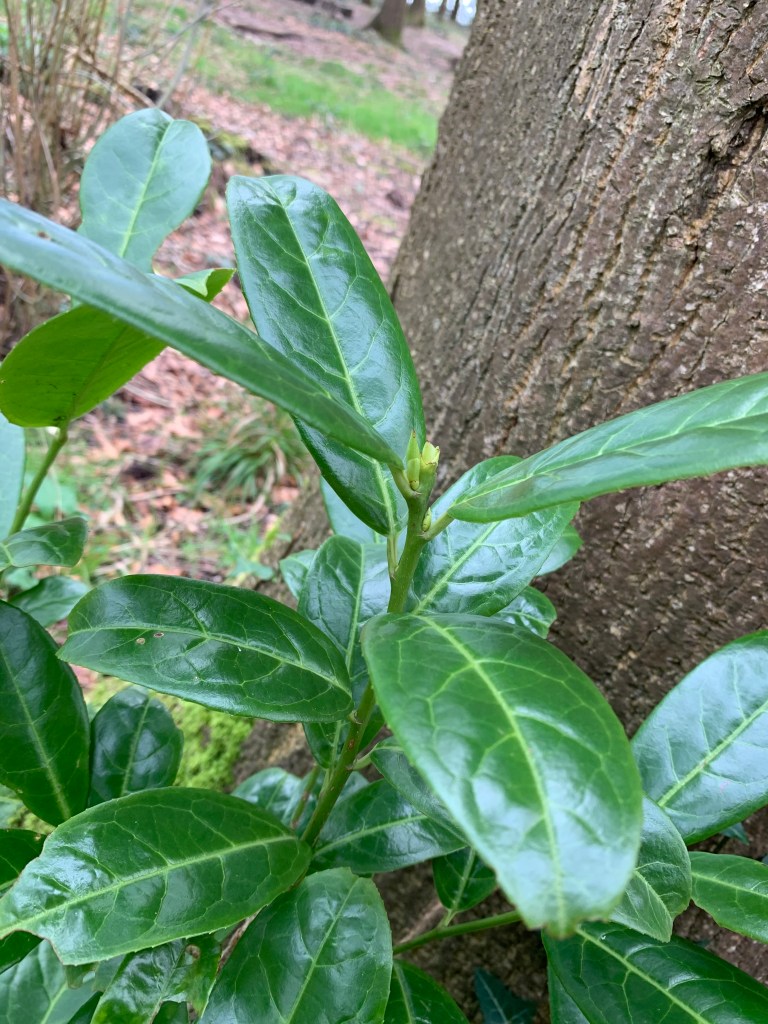
The plant that has cyanide in its leaves to deter animals from eating it. 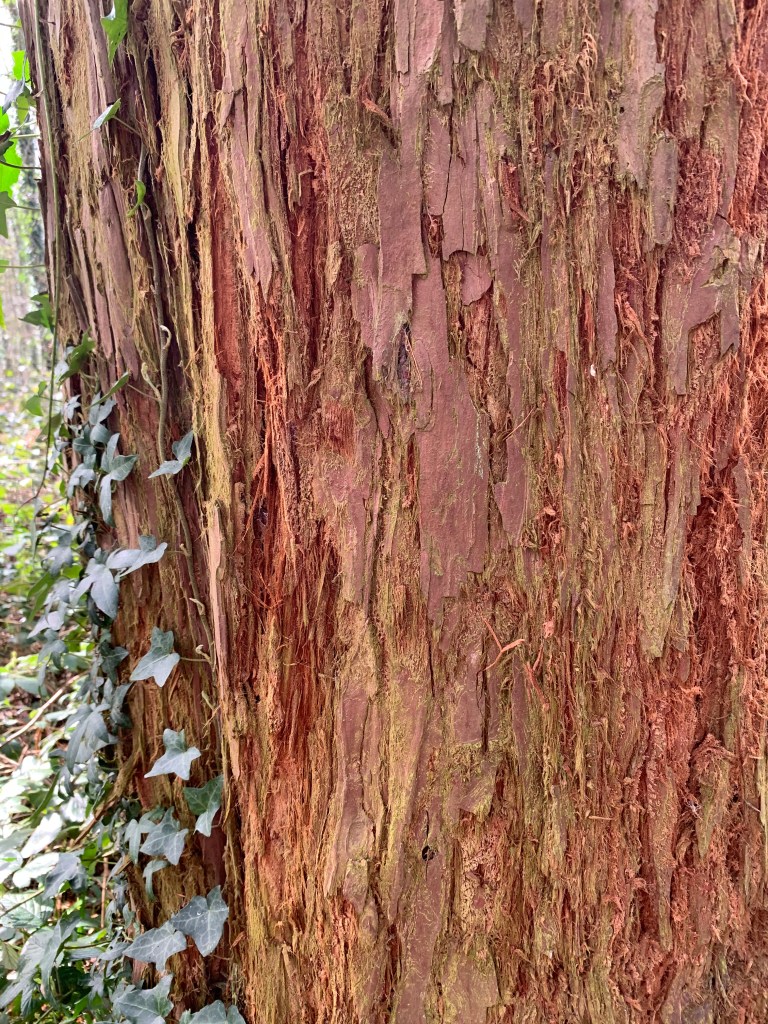
The American tree that has special bark that allows it to survive forest fires. 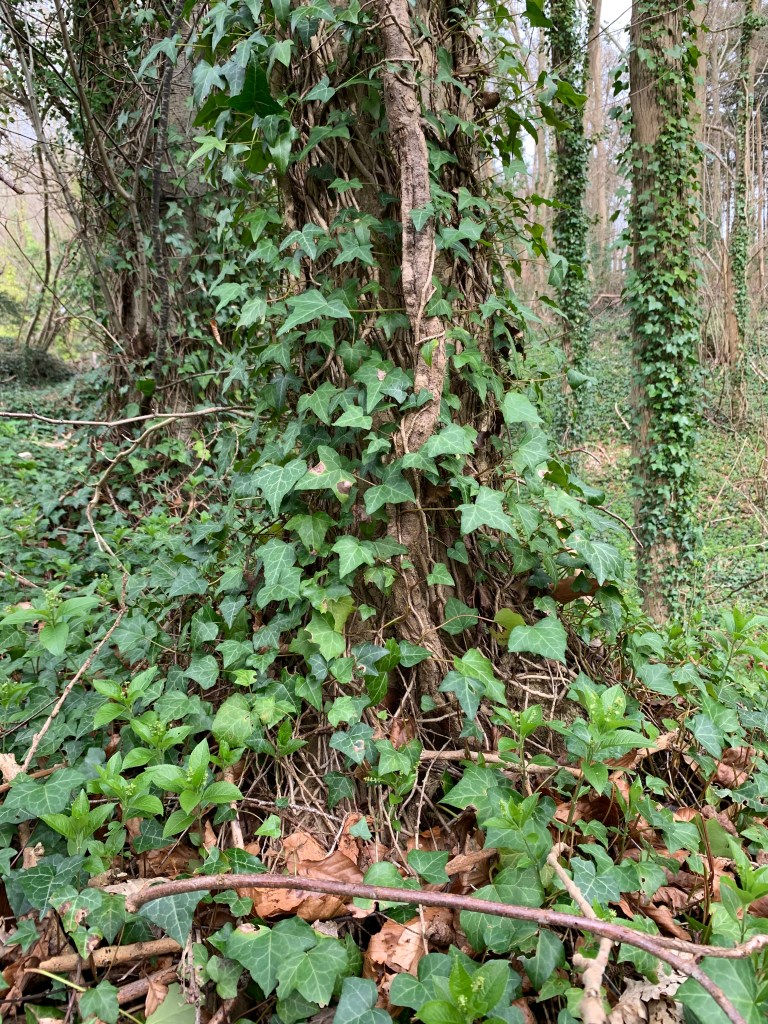
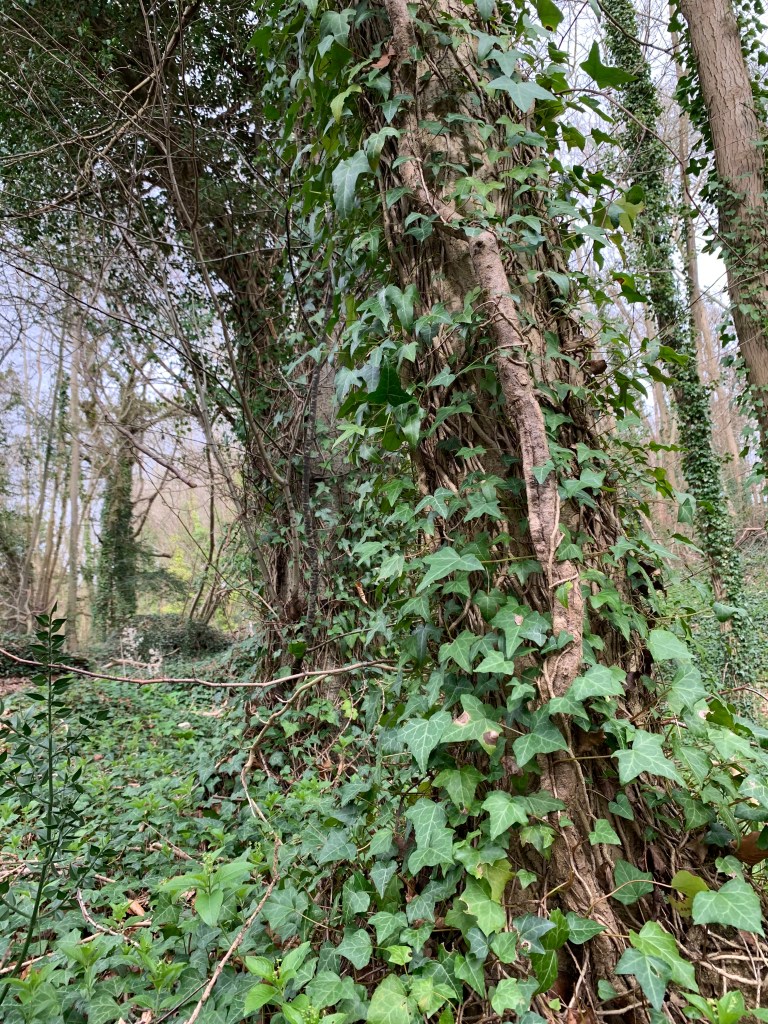
The climbing Ivy.
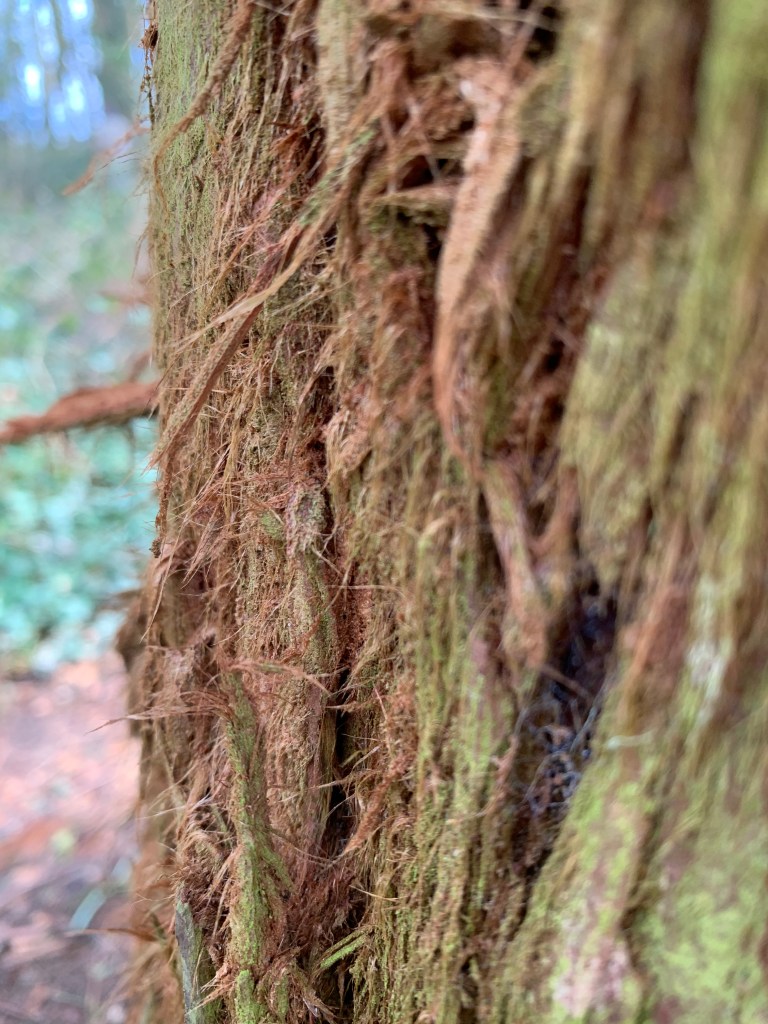
The American Redwood is native to California which is prone to wildfires, therefore in order to survive, this tree has adapted. Getting its water from the rain and fog this tree has thick bark that soaks up the moisture from the air. If the fire does evaporate the moisture in the bark the tree has think layers of bark protecting what is called the heartwood (the centre of the tree). Below you can see that the bark looks fibrous because of how many layers there are. With both the high moisture levels and the thick bark this tree is “fireproof”/ able to survive a forest fire because by the time the fire has burnt through all the surrounding fuel/ flora the fire still has not been able to permeate the bark and once the fuel/flora around the base of the tree has been burnt through the fire dies because it has lost one of the components of the fire triangle (the fuel), therefore allowing this tree to survive. It is called a Redwood because of the redness of the bark, as you can see it does not look as brown/grey as trees you are used to seeing.
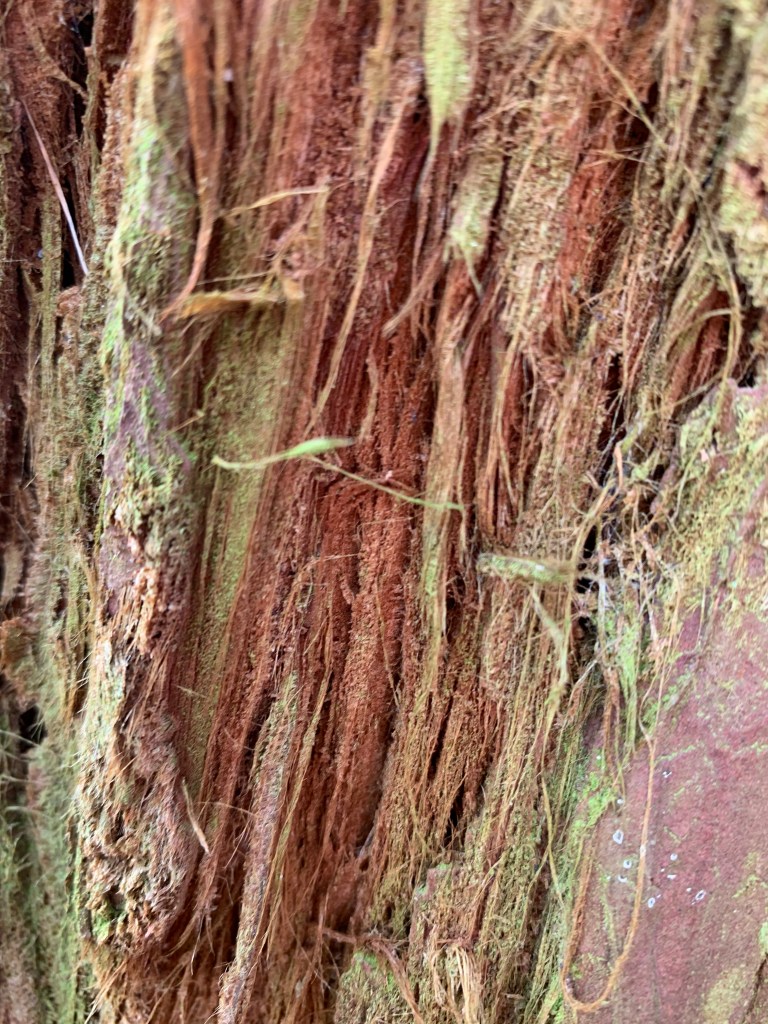
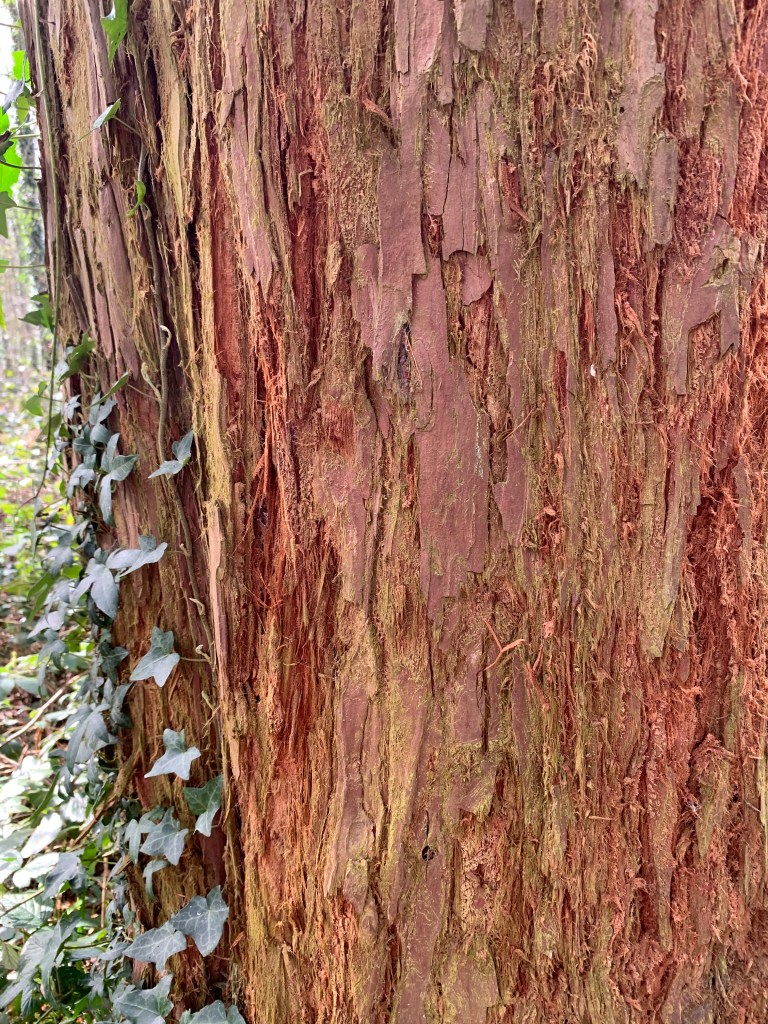
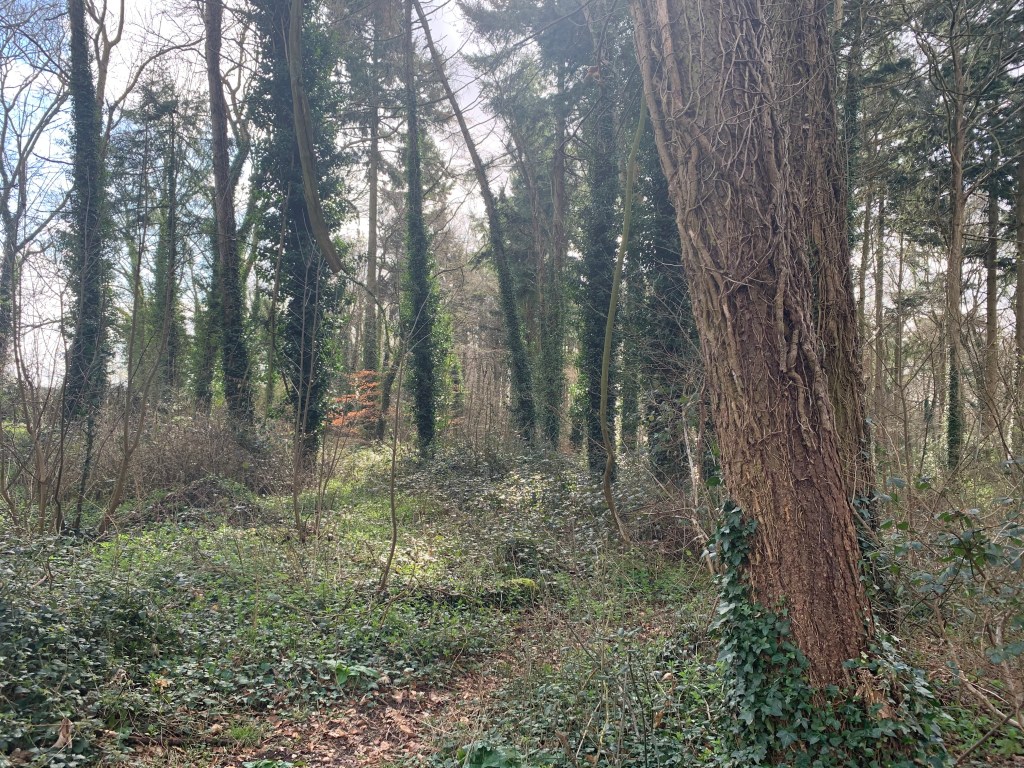
You can also notice the Ivy climbing up the side of this tree.
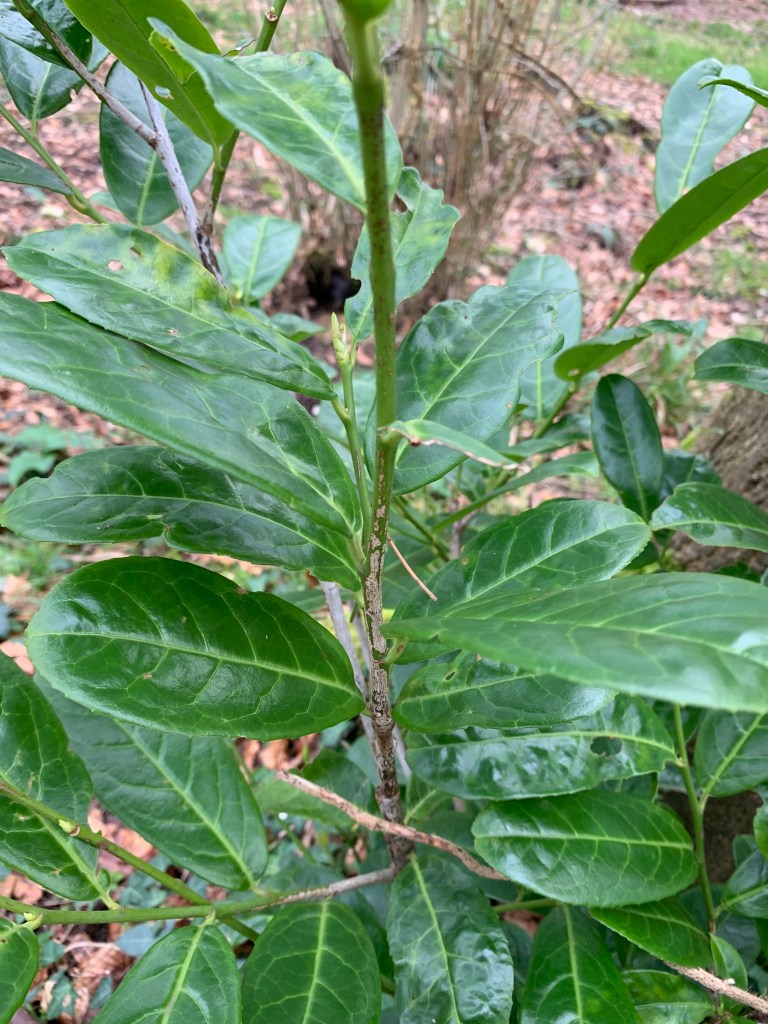
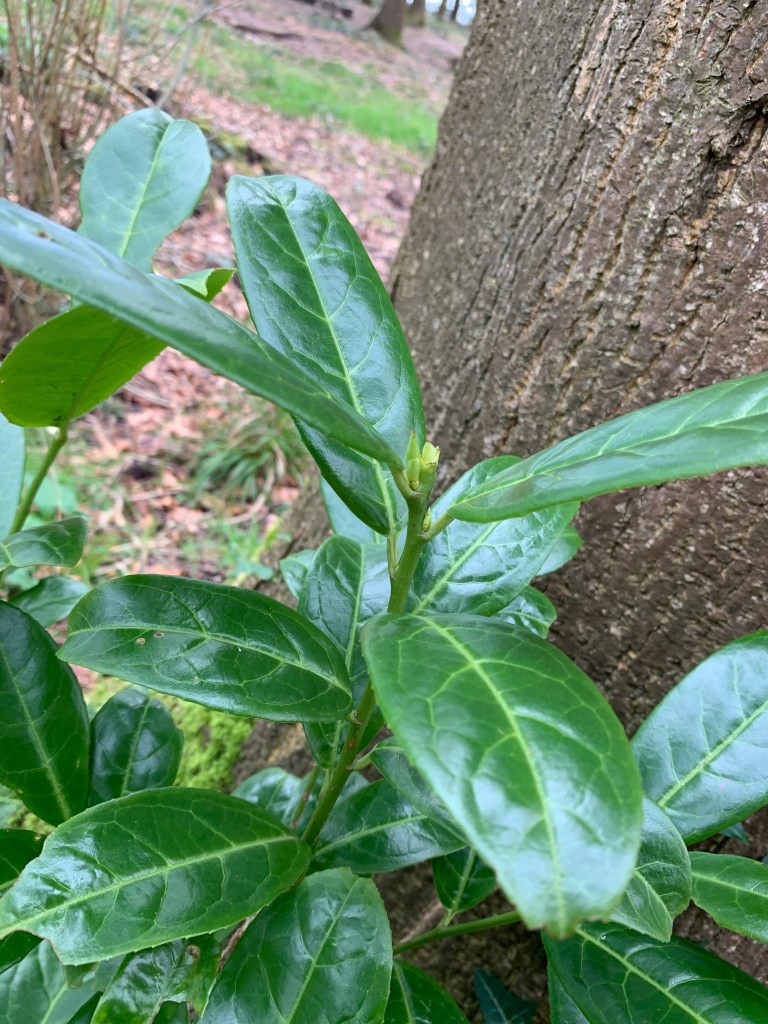
Cherry Laurel has adapted to stop animals eating any part of it by having cyanid in its leaves and seeds, poisoning the animals who consume it. If you snap the leaf and get the flesh exposed the cyanide is actually pungent enough to smell it and recognise the smell which is similar to marzipan/almonds. The cyanide in the Cherry Laurel was distilled and used as a source of prussic acid in the mid-to late 19th century according to “The Poison Garden”, because the prussic acid can be used for many things. According to Britannica (2018) in the common era prussic acid (also known as Hydrogen cyanide (meaning water and cyanide)) can be used for things such as; fumigation, electroplating and the case hardening of both iron and steel.
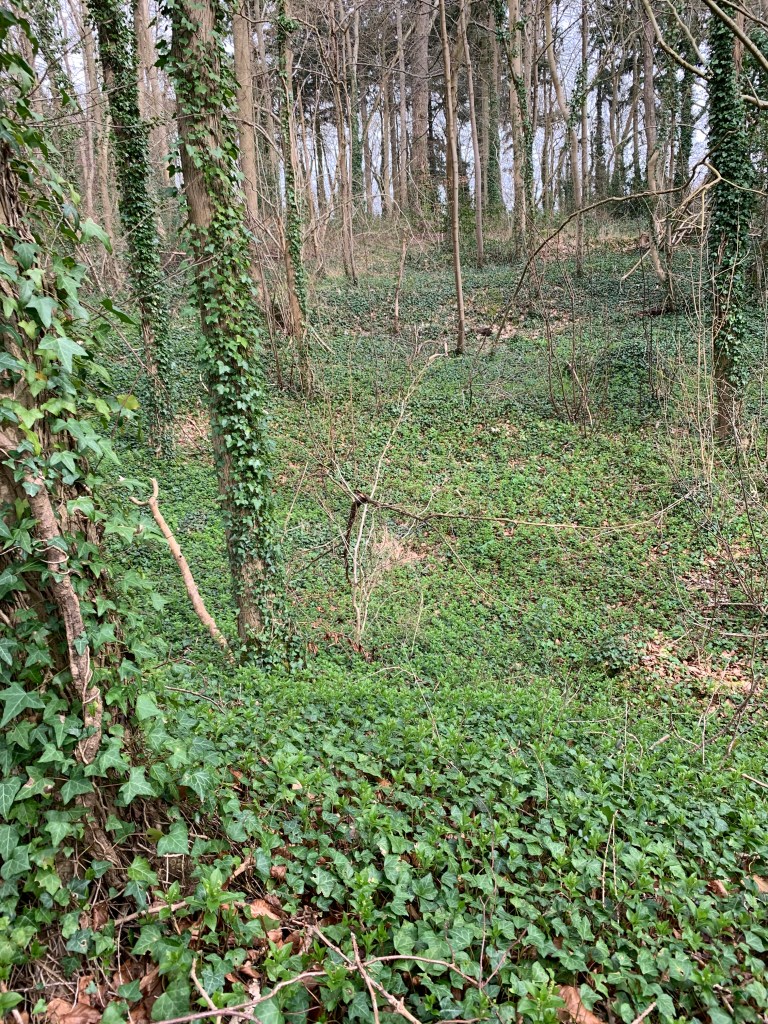
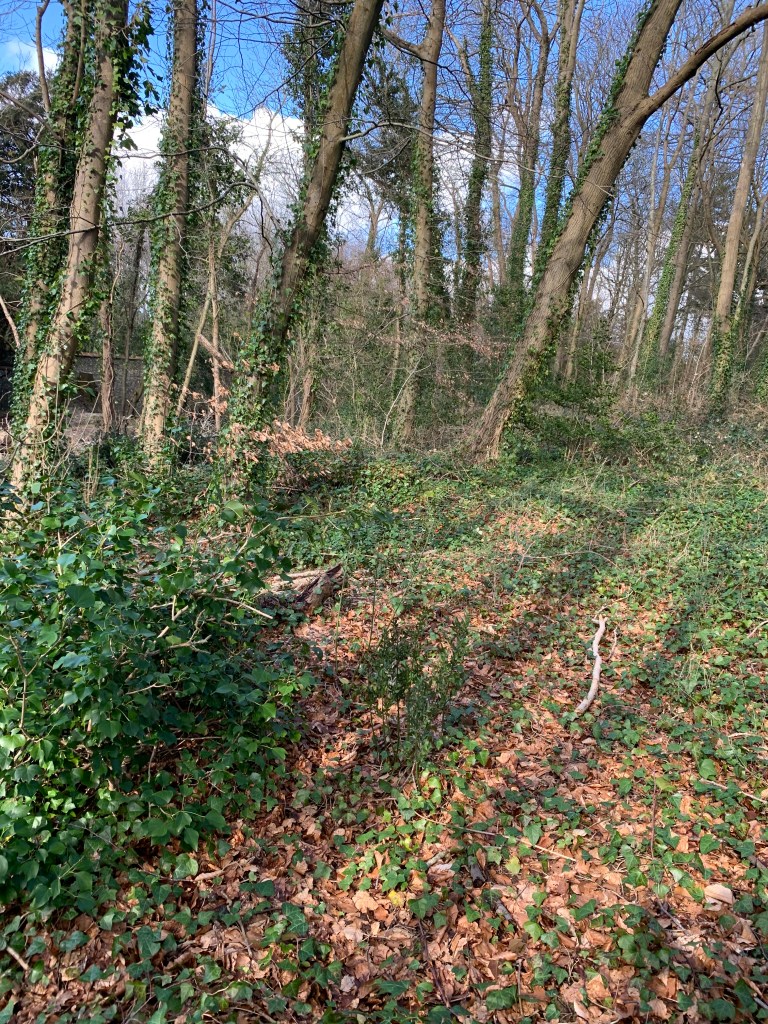
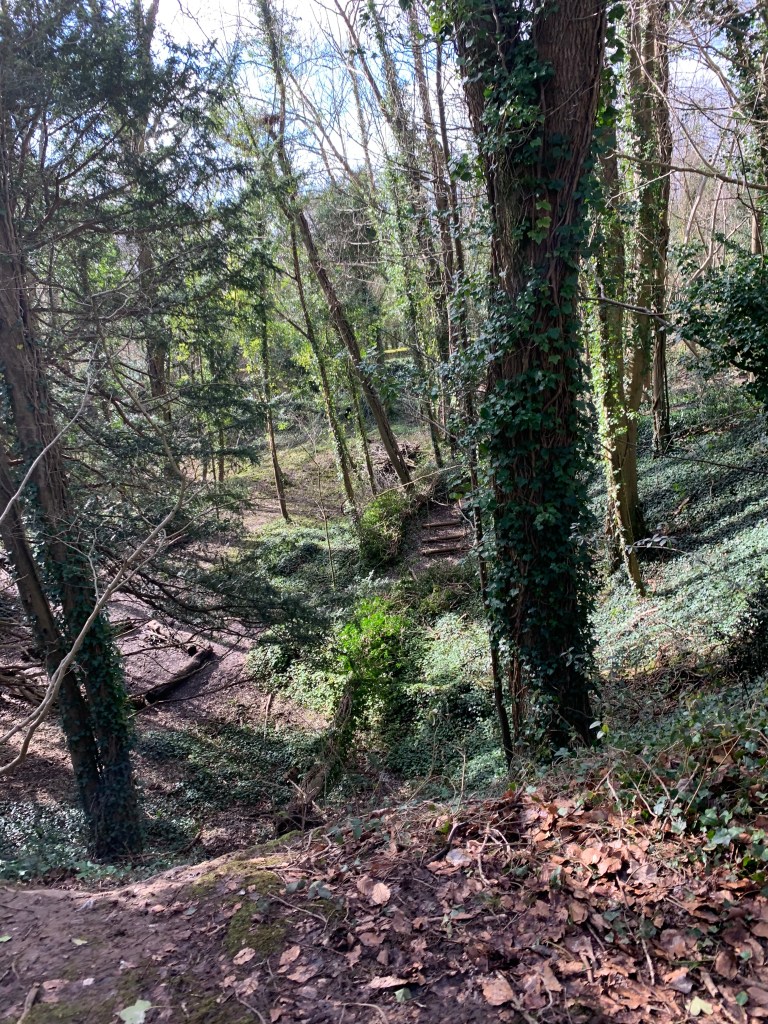
The climbing Ivy that is present in the forest of Seeley Copse has adapted and reached the very top of most of the trees in the forest, this is because they need the light of the sun for photosynthesis and they cannot get sun if they are under the canopy of the trees, therefore they climb above the canopy as much as they can on order to get all the nutrients they can. This is very beneficial for the Ivy however, at Seeley in the winter the Ivy causes issues for the trees as they make some trees too top heavy making them more vulnerable to being blown over and dying in the winter wether of the South of England meaning the forest rangers regularly have to cut the Ivy off of the trees in order to protect them, they are happy for the people using the forest to lend a helping hand in protecting the trees in the forest and taking the Ivy off the trees. The Ivy can either be cut off at the bottom to stop the flow of nutrients or they can simply be pulled off, so next time you are in the magical place of Seeley Copse give back to the forest and rid it of that beautiful but pesky Ivy.
- Reference list:
- Watmough, L. April (2013) Science in the woods: Redwoods Available at: http://forestscience1.blogspot.com/2013/04/redwoods.html (Accessed 24 March 2020)
- Wishhart,M (2018) Poisonous Cherry Laurel Tree Available at: https://homeguides.sfgate.com/poisonous-cherry-laurel-tree-67400.html (Accessed: 26 March 2020)
- Augustyn, A. (2018) Hydrogen Cyanide: Chemical compound Available at: https://www.britannica.com/science/hydrogen-cyanide (Accessed: 26 March 2020)
- All images taken by Caitlin Jardine 2020
 Caitin's Science Blog