What is Moss? Fun facts about Moss, and how it can be linked to the National Curriculum.
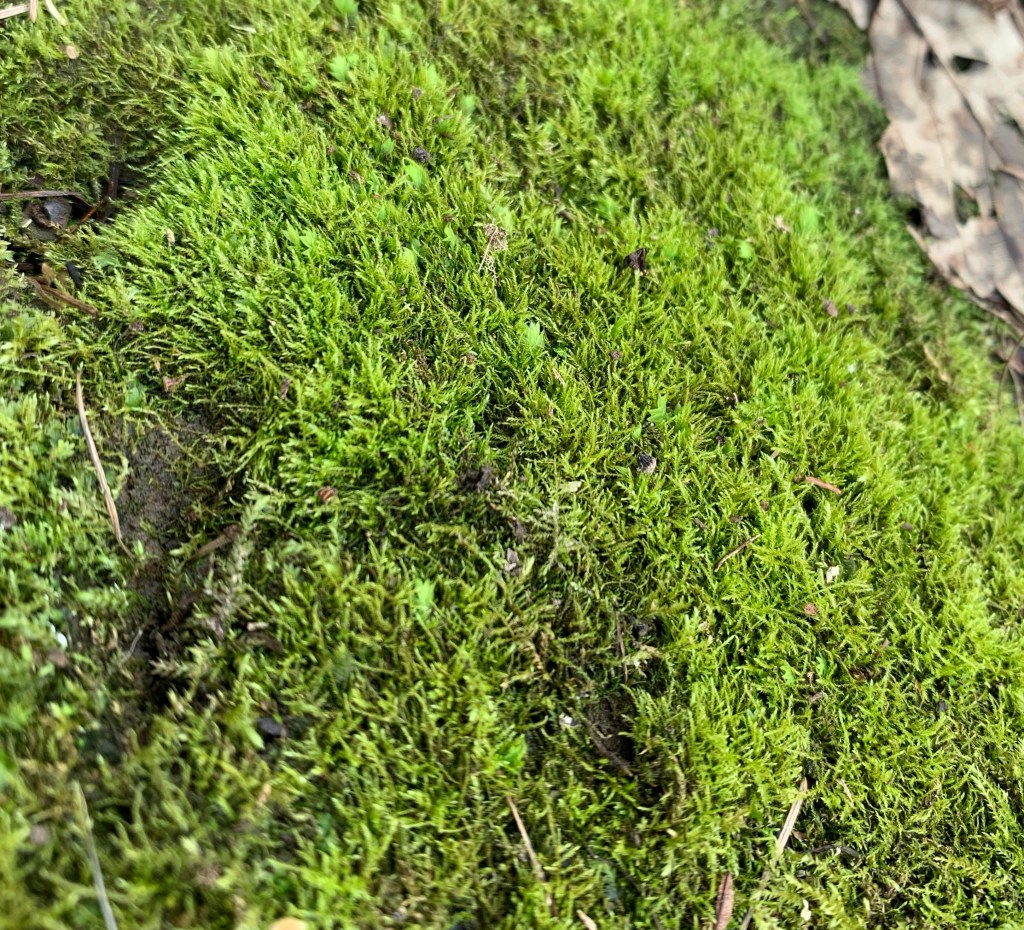
Moss can be used for many different activities and Seeley Copse has many varieties you can choose to focus on. You can use it as a identification task and get the children to identify different species of moss using a resource sheet, they could make different things with moss or they can investigate different physiological features of the different mosses then compare them with their peers. It is a common but interesting plant that children will also be able to find outside of Seeley Copse and can be an easy way to link the learning they did in the forest to some form of learning they can do in the classroom.
The National Curriculum (Department for Education, 2013) does not specifically comment on moss however some aspects of the Science program of study can be linked to Moss, for example Year 1 comments on plants and children being able to identify and name different wild and garden plants, it can also be linked to Year 2 in both living things and their habitats and plants sub-sections. There is also links in Year 3 and 4. None in Year 5 however.
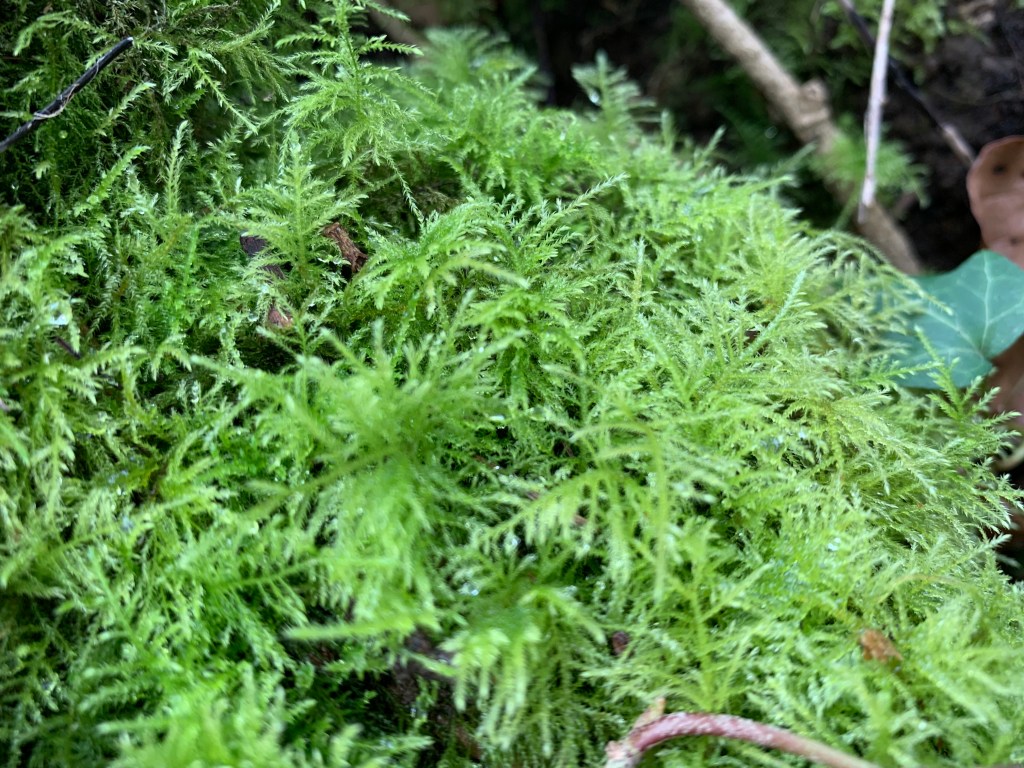
Here are some different facts about the Common tamarisk moss pictured above. – Its species name is Thuidium tamariscinum. – It can grow in mats spreading anywhere from 5 to 25cm across. – Common on damp ground, trees and rotting wood(Lewthwaite 2018)). – It forms yellowish-green or dark green thick mats or tufts (Lewthwaite 2018)).
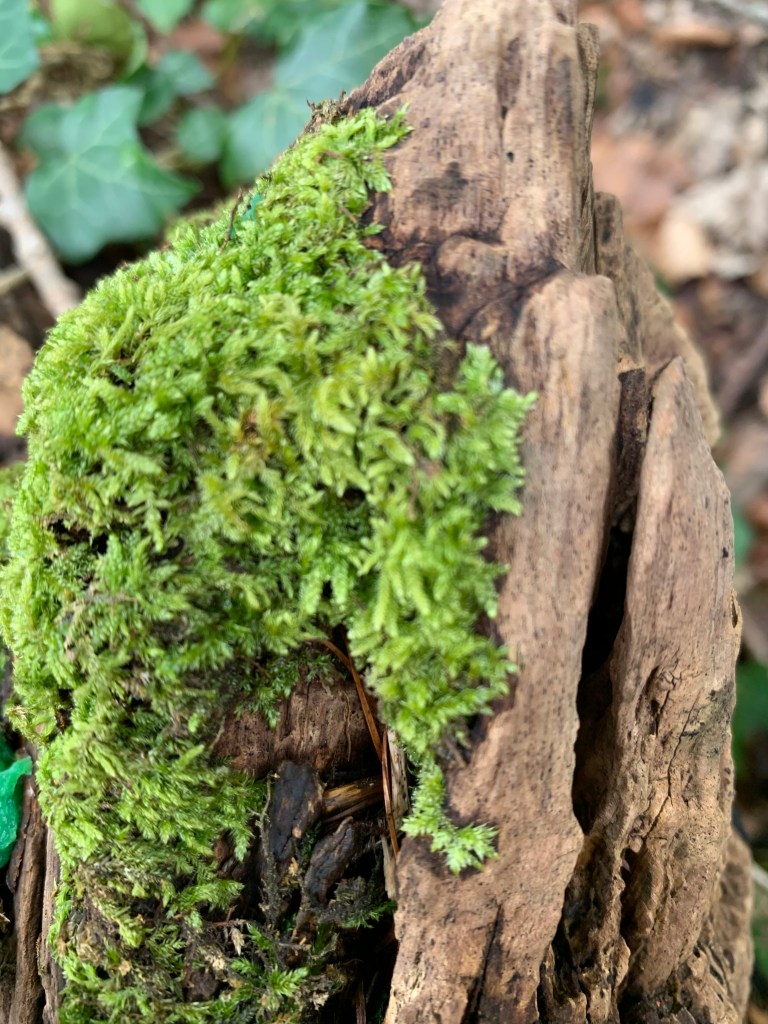
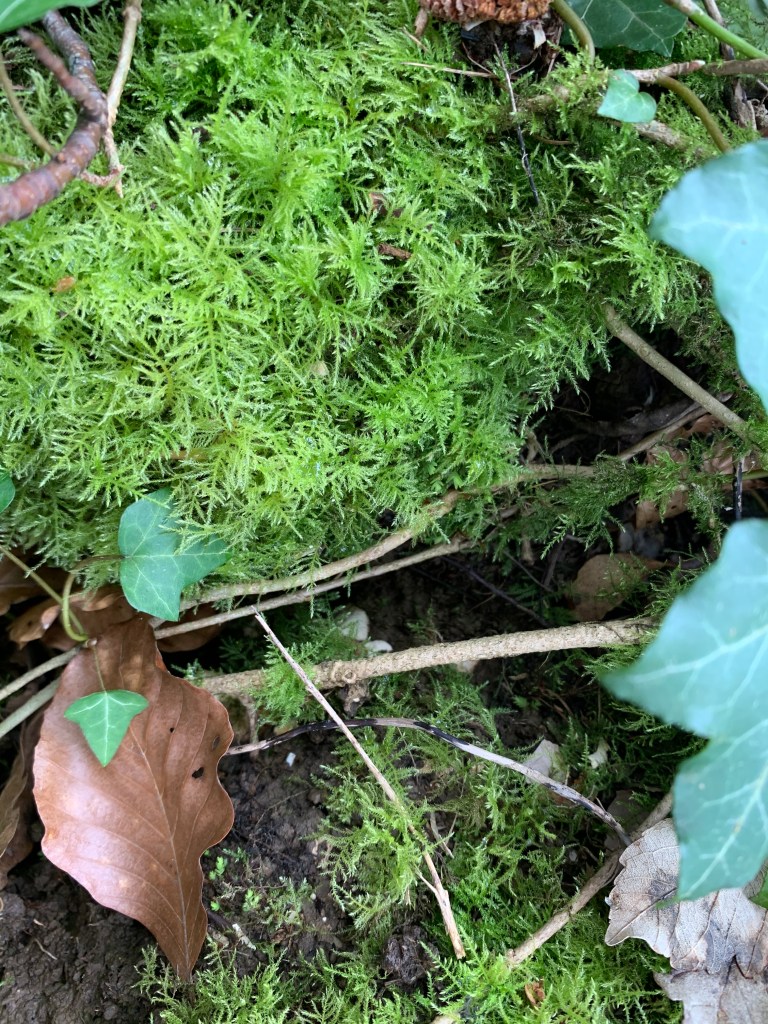
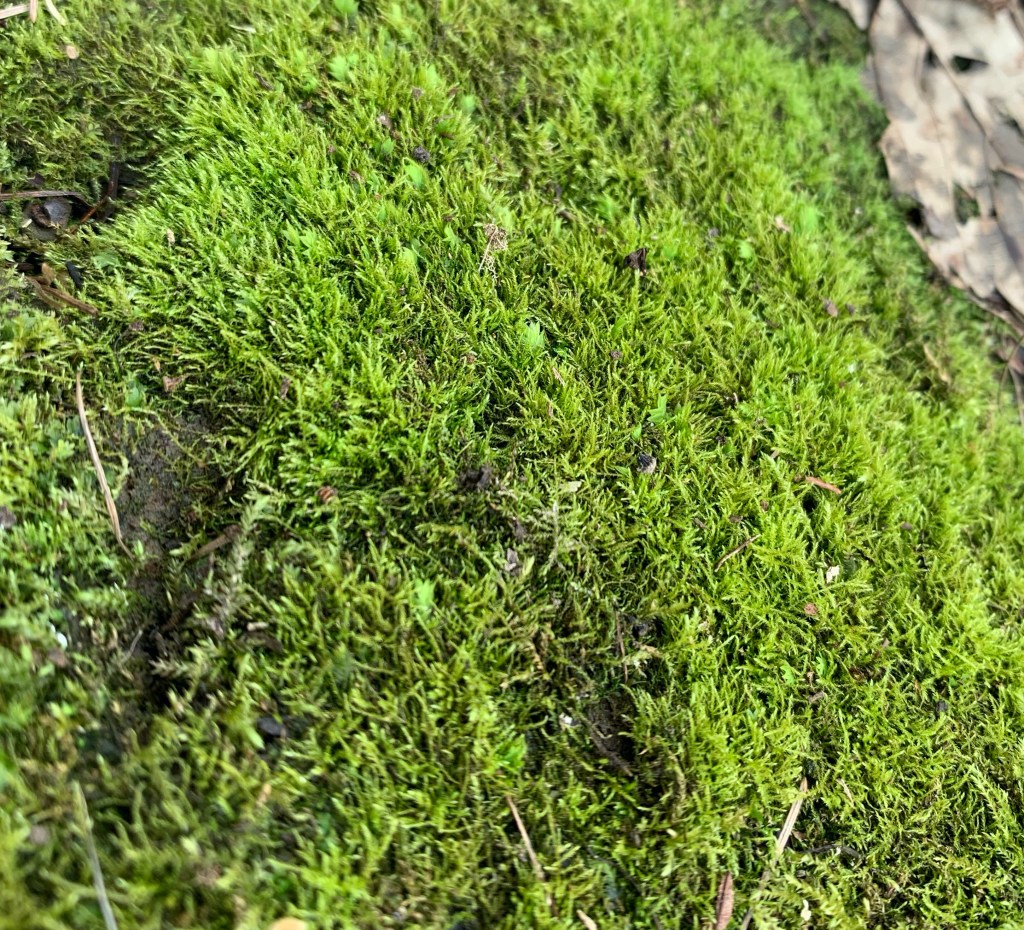
These are some generic moss facts: – Mosses do not have roots, Lewthwaite(2018) explains that they have leaves and stems but no true roots! – Mosses reproduce with spores, not seeds. -Moss mainly gets its nutrients from rainwater, fog, the sun and dew, not from the roots like common plants (because it doesn’t have the typical root) (Nierlich 2011). – Mosses are able to absorb a huge amount of water and are able to prevent soil erosion. (Softschools.com 2020) –
References -Lewthwaite, K (July 2018) Types of moss in the UK: what they are and where to find them Available at: https://www.woodlandtrust.org.uk/blog/2018/07/types-of-moss-in-the-uk/ (Accessed on 03.04.2020) – Nierlich K (2011) In the beginning… There was Moss Available at: http://iheartmoss.com/2011/11/in-the-beginning-moss/ (Accessed on 05.04.2020) – Softschools (2005-2020) Moss Facts Available at: https://www.softschools.com/facts/plants/moss_facts/504/ (Accessed on 03.04.2020)
 Caitin's Science Blog
Interesting entry on a novel theme – maybe worth also considering the *ecology* of moss: There will be plenty of science questions that KS2 children will come up with once they start observing the moss in the woods (eg why is there more of it on one side of the tree than the other side? Is there less moss in the sunshine than the shade? Do any insects and other invertebrates live in the moss?). They can then plan and do their own investigations to try to answer their own questions.
LikeLike