Here are some of the things we have made during our time in Seeley Copse, that can easily be done with children.
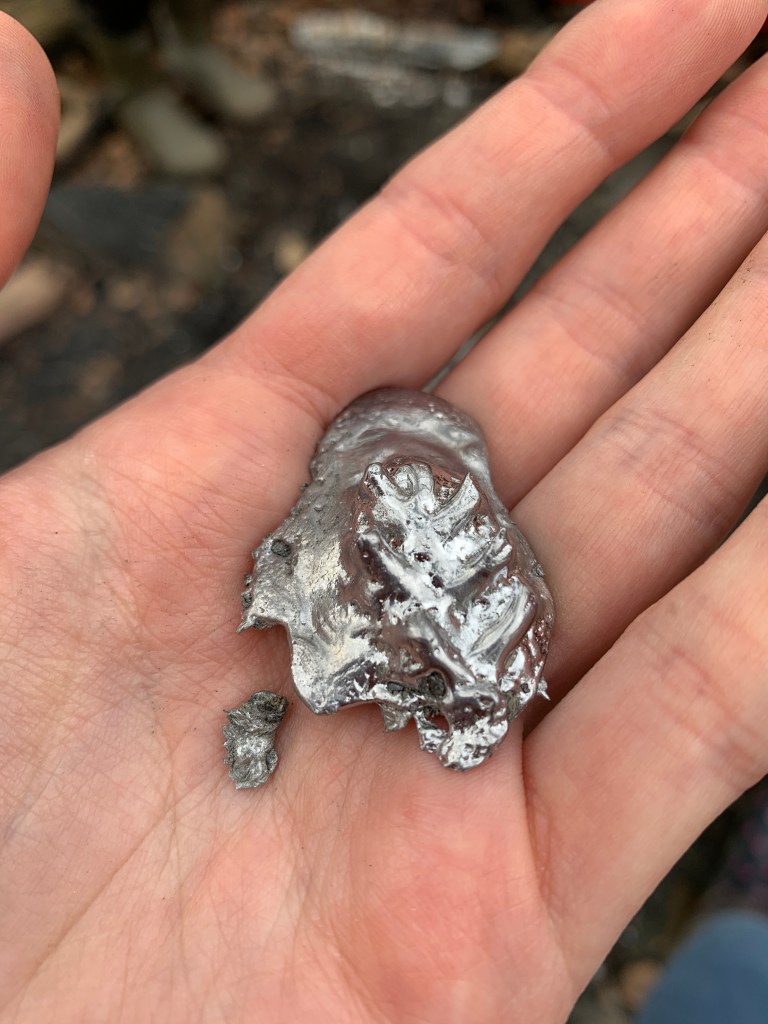
Our own moulded metal alloy. 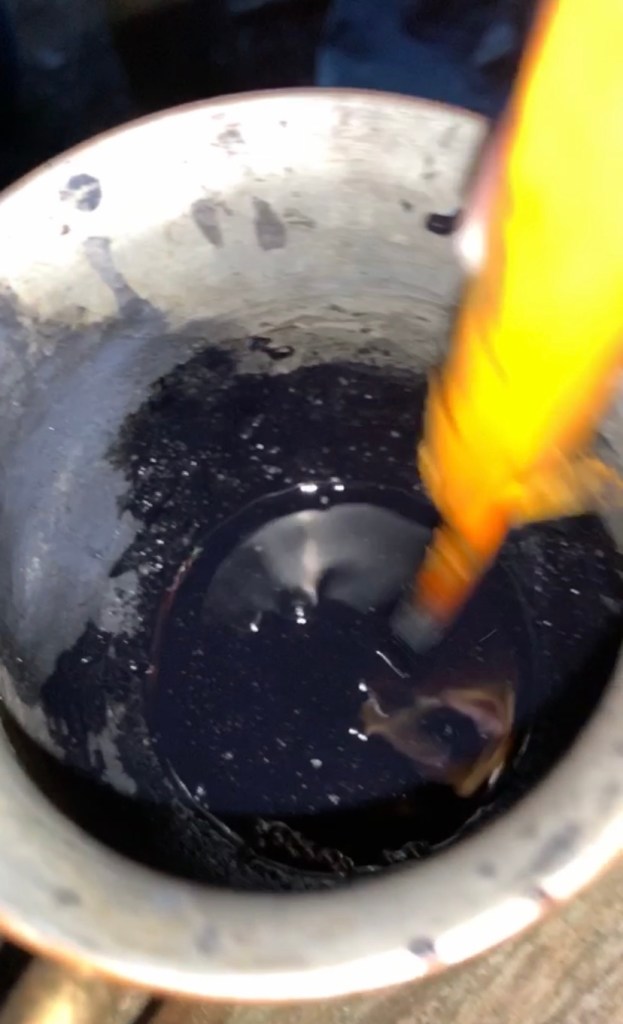
Ink made from crushed Galls. 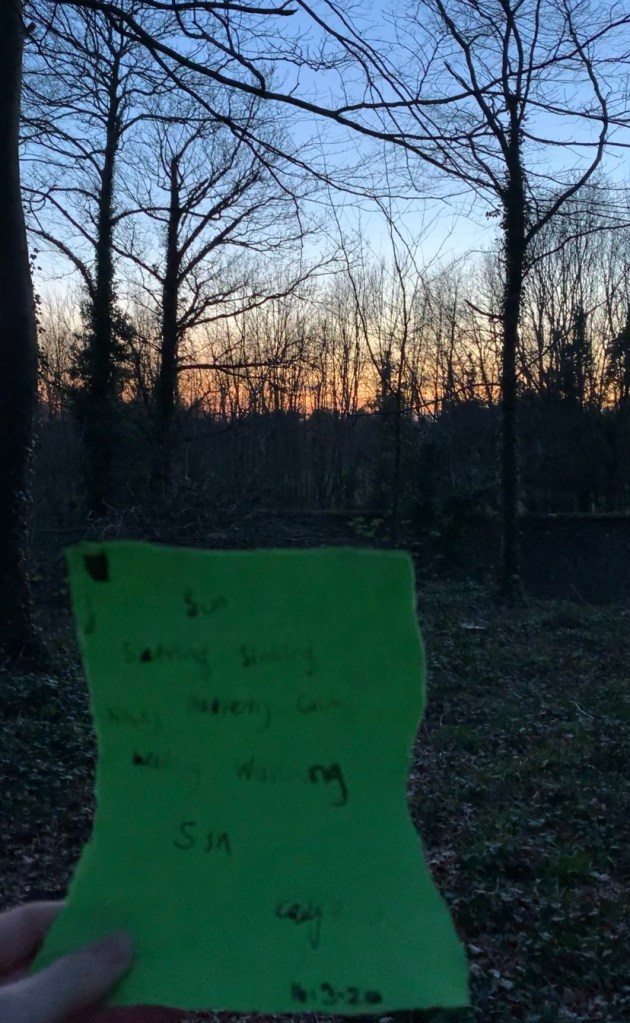
A poem we wrote using the Galls ink that was based on the forest. 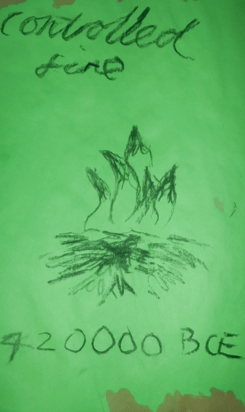
A history lesson writing using charcoal pencils we made. 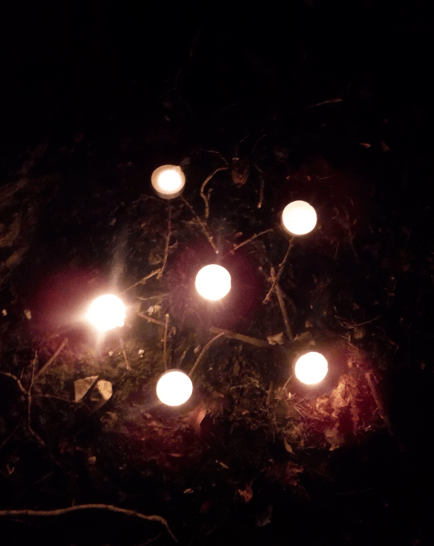
We used nature to build little tea light holders.
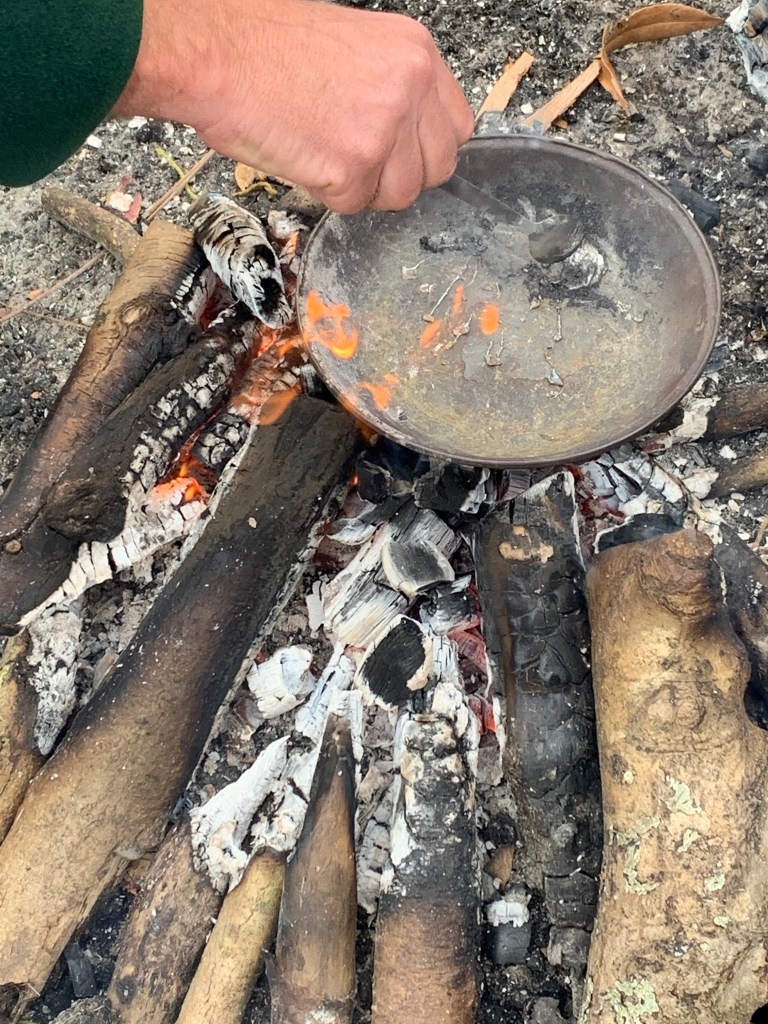
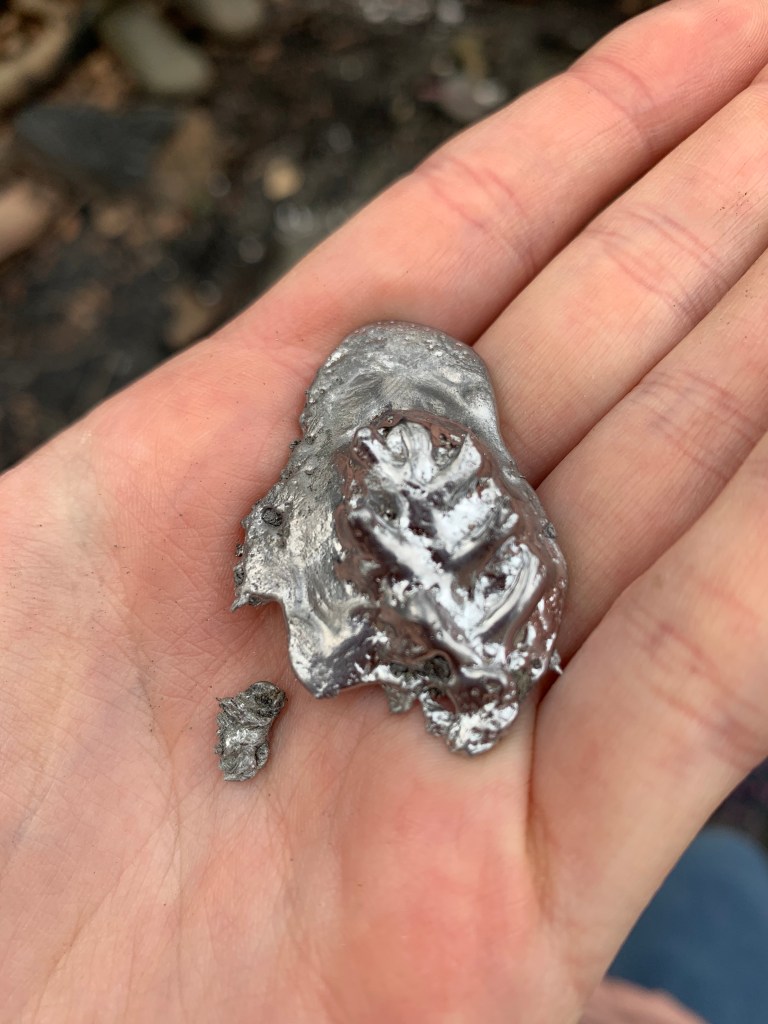
This is our metal alloy we made, we mixed lead carbon powder and .. here is us using a pan over the fire to melt the lead and then mixed the carbon powder and … then you can see the metal alloy that we poured into a mould we made by pushing a pinecone into modelling clay and letting it cool and harden in that mould. This can teach the children the science of metals and the temperatures needed to melt different metals, it is also a creative experience for the children, they could use this in school to inspire writing or to be used in the Art and Design lessons.
The next thing we were able to make was ink. We used Galls, which are parts of an Oak tree that when they fall lots of different micro-bugs hatch their eggs in them. Once the bugs have gone the Galls can be crushed and then added to a pan with water and zinc then boiled, strained and cooled to then make the ink. We then used the ink we made and went off on our own to do some forest bathing (soaking up the environment) and then wrote poems about something we were inspired by using a structure that was given to us and the ink we made. This is an enjoyable experience as we got to truly connect to the environment and express that beauty in words with ink and a feather which is not a normal tool. This would be good for children as it gets them to be inspired by the natural environment they are in, this can be then taken into the classroom or a good way to bring the classroom into the forest.
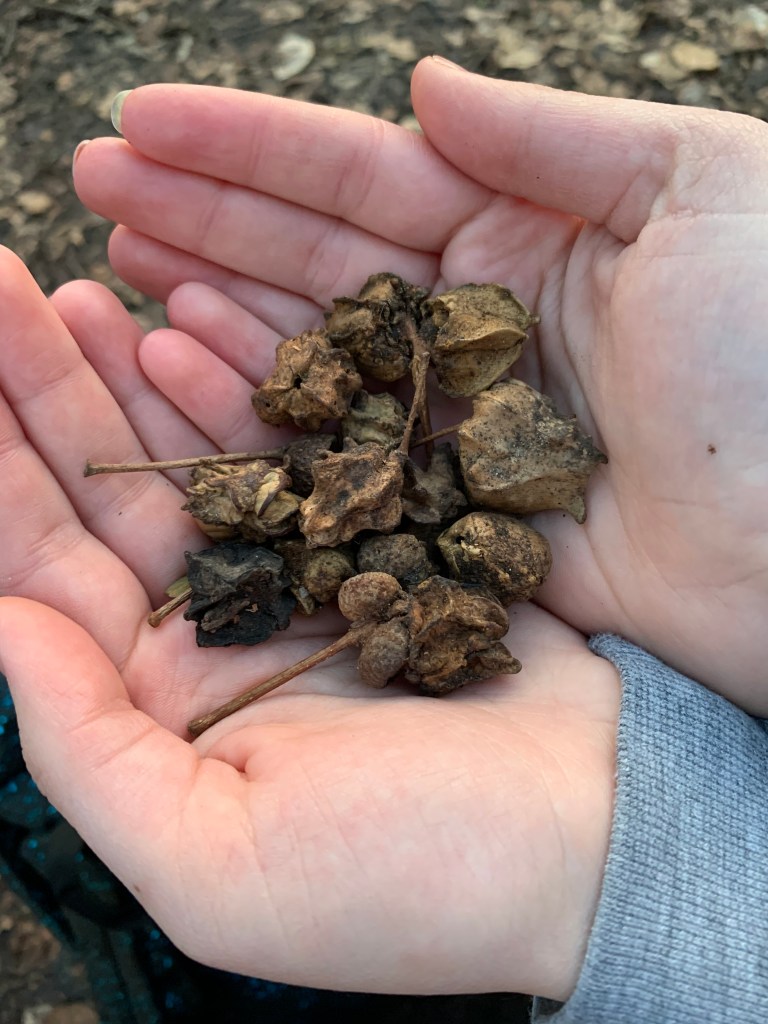
The Galls 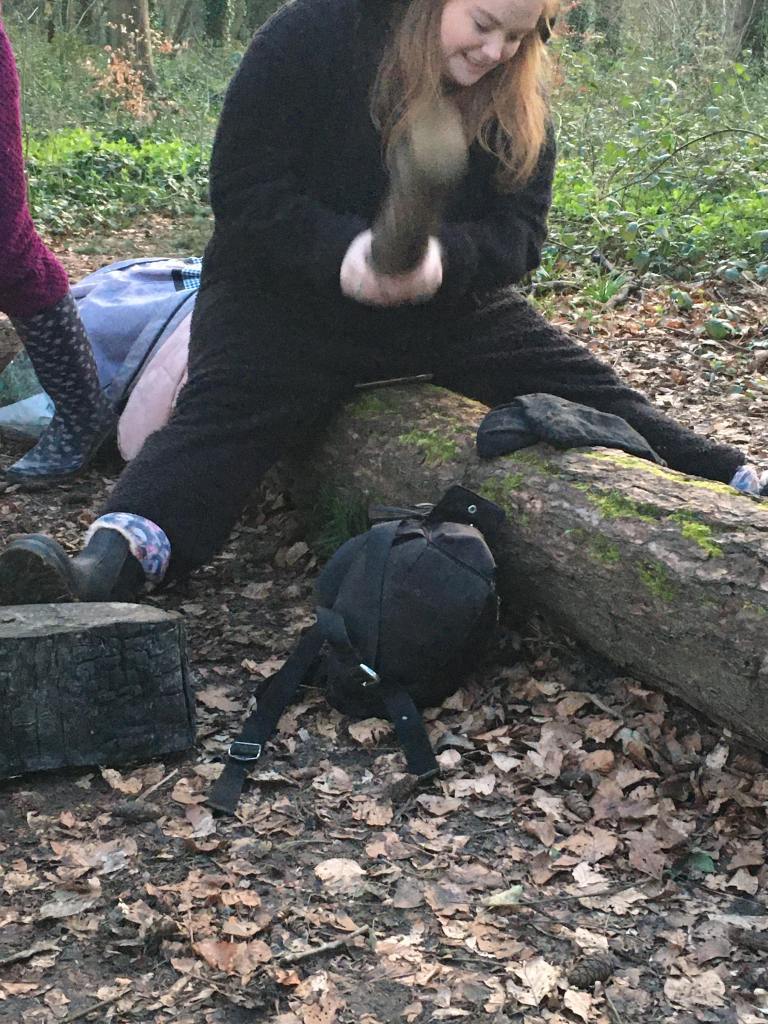
The Galls being crushed 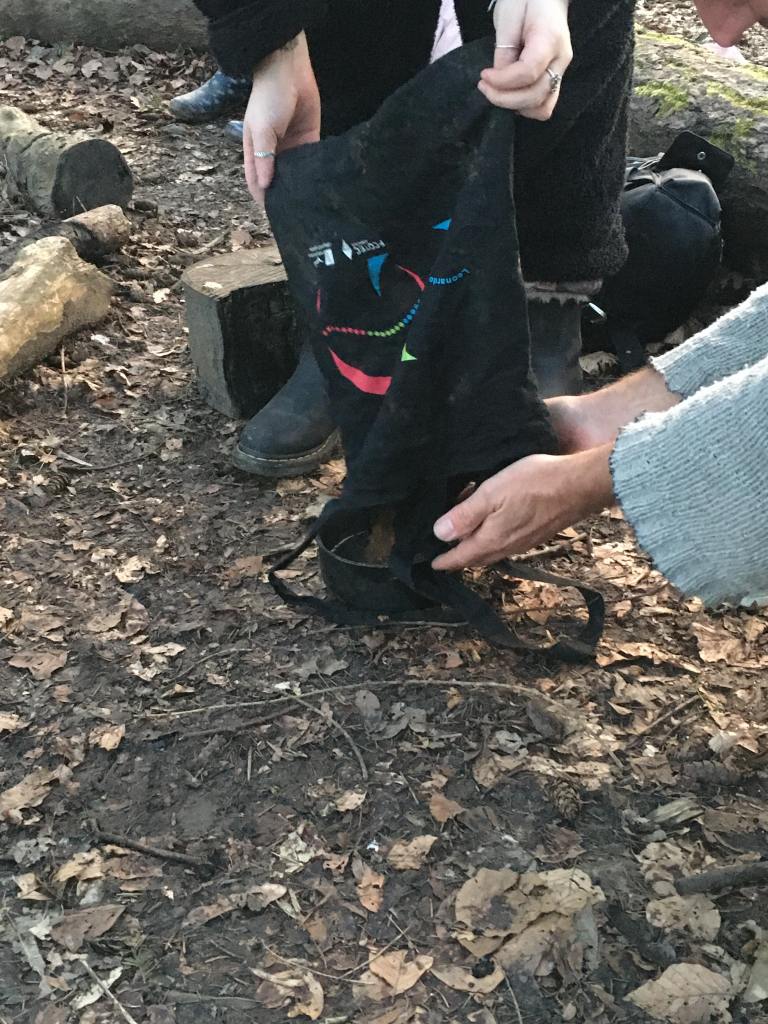
The Galls after being crushed being put into a pan 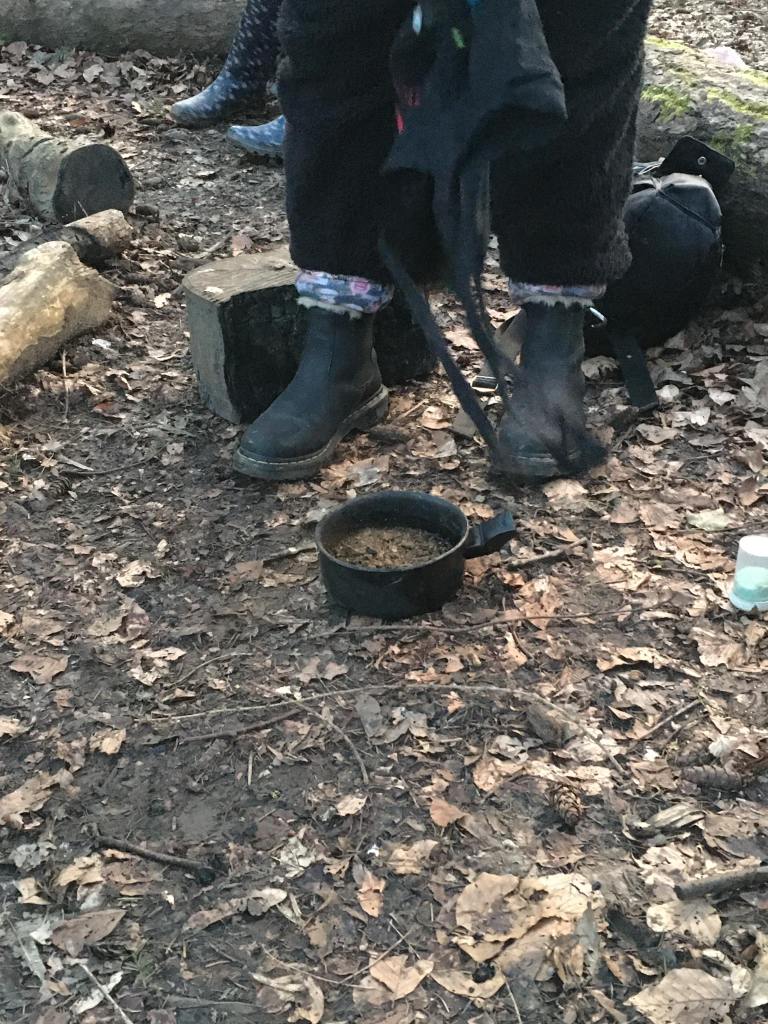
Pan filled with water and zinc powder 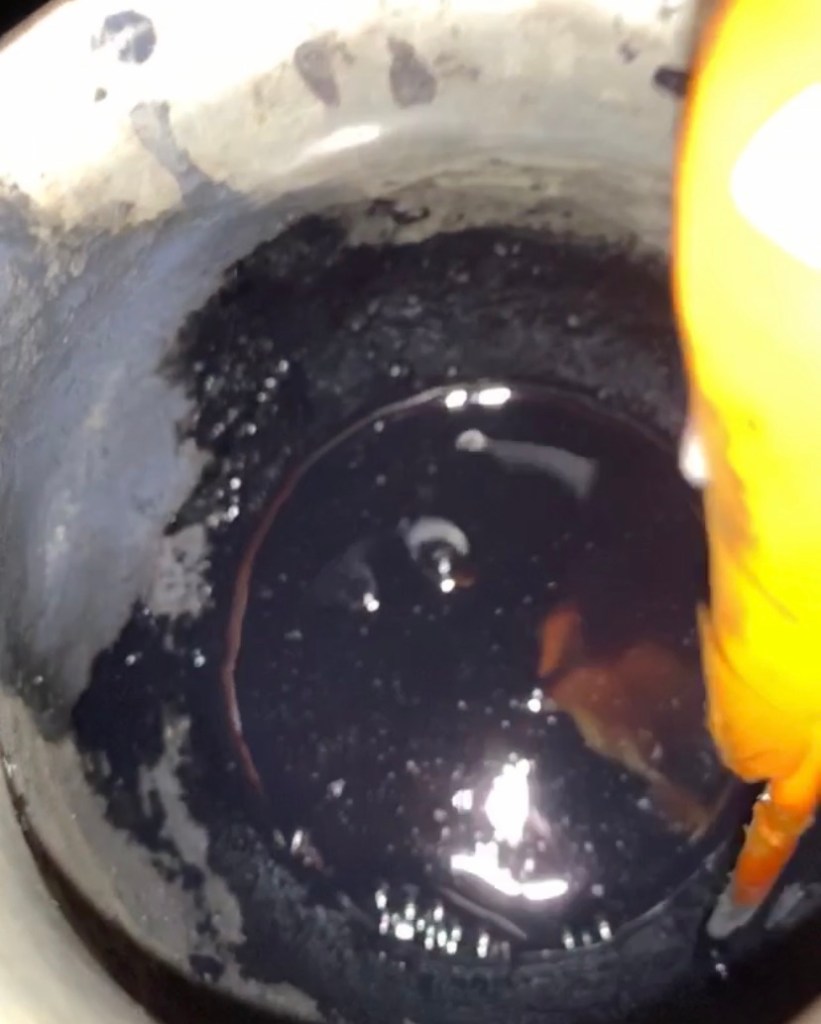
The ink 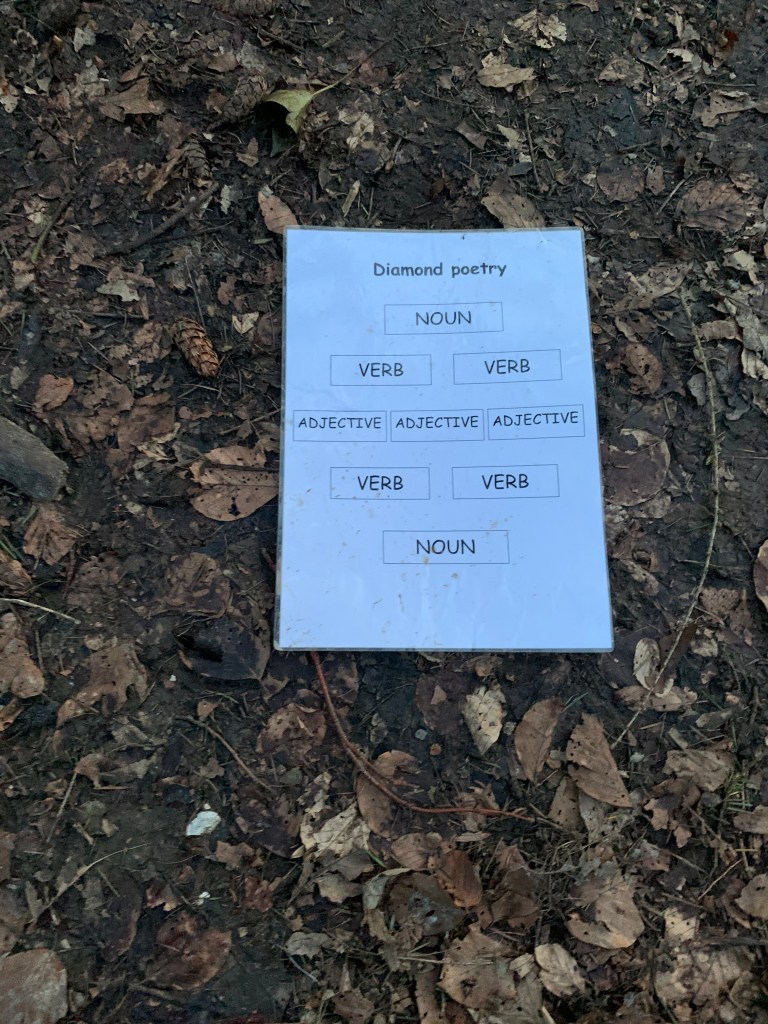
The structure we used for our poems 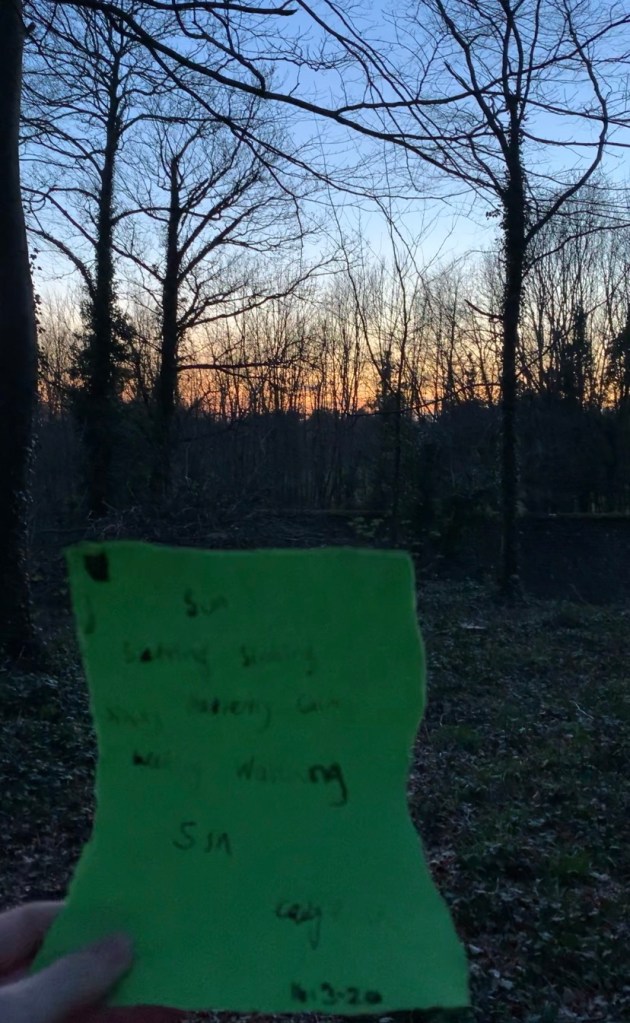
My poem was about the Sun setting and it went:
Sun
Setting, Sinking
Slowly, Patiently, Calmly
Waiting, Watching
Sun
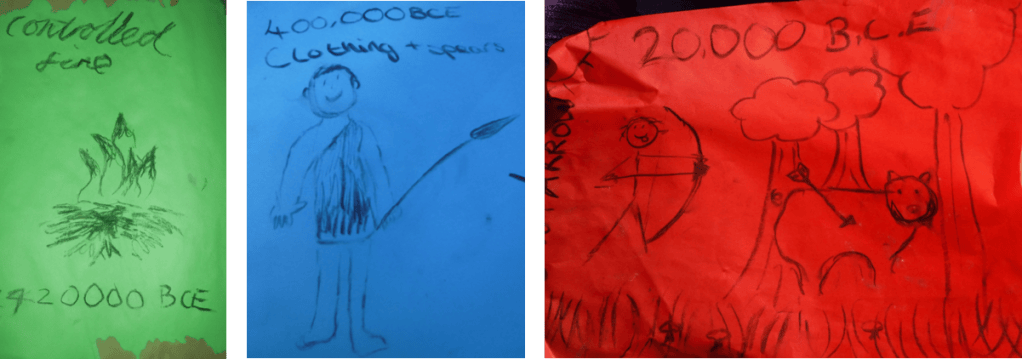
We also used the flesh of the Hazel tree to make charcoal pencils for us to write with. This was done by getting twigs off of a Hazel tree, then stripping the bark off the twigs, then putting those bare twigs into an air tight container and baking them over the fire. We put them in a container to make sure they do not set on fire and just add fuel to the fire because we need the stuff that will burn as fuel all we are doing is dehydrating the twigs. Once they have been baking on the fire for about 10-15 minuets the tin should be taken off of the fire and left to cool. Once cooled the charcoal is easy to use, below is an example of using the charcoal to produce an image and date of different natural inventions we can recreate in the forest, this is bringing history out of the classroom into the forest and using knowledge as a hook for the children.
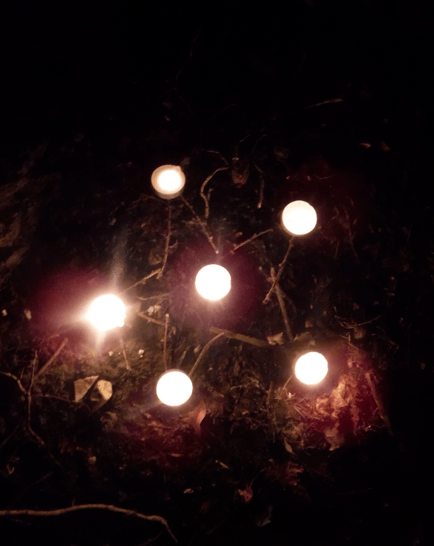
Finally on our last trip to the forest we did it in the evening to be able to explore the space in a very different way to what we were used to. We wanted to make something pretty and recognise how easy it is to create something with the stuff we could find at arms length so we were given a tea light and had to stay in one spot and use the materials we could find at arms distance to design a holder for the tea lights. This is a good activity to do with the children because it requires them to use their imagination and what they would think is a limitation to what materials they could use but recognise they were not at all limited despite the fact they could not get materials from anywhere past where they already were.
 Caitin's Science Blog
Just filling in gaps:
The alloy came from LEAD plus a little CARBON POWDER plus TIN
The ink used crushed OAK GALLS, with a little IRON SULPHATE powder (to make the colour a little blacker) and at the end add GUM ARABIC to make the ink stick to paper better.
The stripped hazel stems are heated in a TIN WITH 1-2 SMALL HOLES IN TOP to allow gases to escape but not much oxygen to enter. Don’t seal the tin completely – possible explosion!
LikeLike